
Intelligence across the entire sales workflow.
Sales teams lose their time not to selling, but to the work around selling: research, note-taking, CRM hygiene, follow-ups, proposal drafting. The AI Sales Engine connects these steps into a single workflow that runs on your CRM, your calendar and your process.
Scope depends on CRM, data sources and workflow depth.
- Implementation
- 3–8 weeks depending on CRM integration
- Built for
- Sales teams that want preparation and follow-up engineered, not improvised
Sales teams lose their time not to selling, but to the work around selling: research, note-taking, CRM hygiene, follow-ups, proposal drafting. The AI Sales Engine connects these steps into a single workflow that runs on your CRM, your calendar and your process.
A new lead enters your CRM. The system researches the company, evaluates fit against your ideal customer profile, and prepares an account brief before the first meeting. After the meeting, the transcript is processed into needs, objections and next actions. The CRM is updated, follow-up is drafted, and the proposal is prepared from your own service information and pricing.
This is systems engineering applied outside engineering — the same architecture discipline used on technical workflows, pointed at revenue operations.
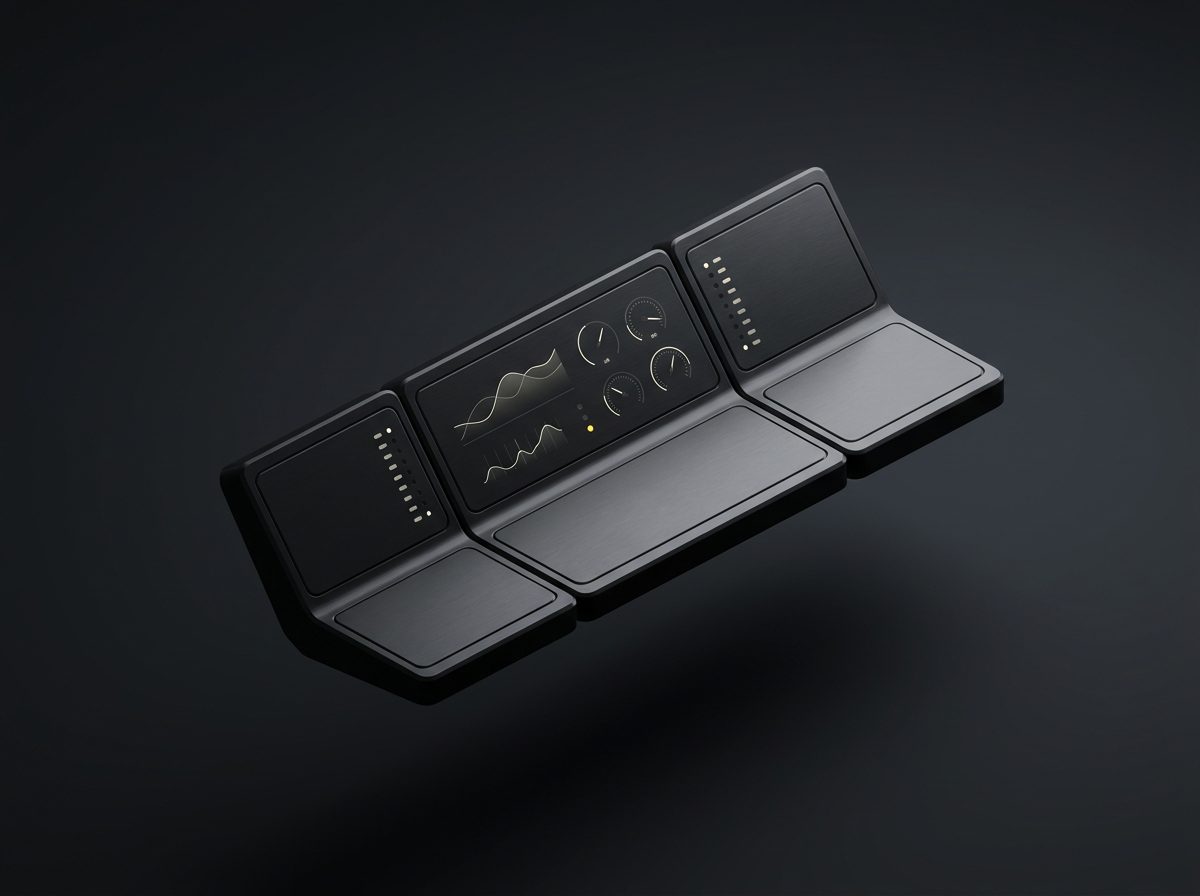
Interface illustration · each deployment is configured to your systems
What the system includes.
- Lead research & enrichment
- ICP fit evaluation
- Account intelligence briefs
- Meeting preparation packs
- Transcript processing
- Needs & objection extraction
- CRM synchronisation
- Next-action generation
- Personalised follow-up drafting
- Proposal generation
- Pipeline monitoring
- Human review checkpoints
Integrations are implemented through documented APIs, databases or file exchange. Where a system does not expose an interface, we engineer around it — explicitly and documented.
The exact system is configured per organization: sources, departments, permissions, approvals and interfaces all follow your environment.
Common questions.
What does the AI Sales Engine do?
The AI Sales Engine connects lead research, ICP fit evaluation, account briefs, meeting preparation, transcript processing, CRM synchronisation, follow-up drafting and proposal generation into one workflow of 12 components. It integrates with HubSpot, Salesforce, Pipedrive, Outlook, Gmail, Google Calendar, Teams, Zoom and document systems.
How much does the AI Sales Engine cost?
The AI Sales Engine starts at $5,000, with typical ranges up to $20,000 depending on CRM, data sources and workflow depth. Implementation takes three to eight weeks, and emails are drafted for approval by default rather than sent automatically.
Which CRMs does the AI Sales Engine support?
HubSpot, Salesforce and Pipedrive are typical starting points for the AI Sales Engine, and custom or regional CRMs are handled through their APIs. Human review sits at 2 checkpoints, send and proposal, and the system targets B2B sales teams, consultancies, agencies and professional services. Meeting transcripts stay in your environment, with retention following your own policy.
Adjacent architectures.

Company AI OS
Your company doesn't need 30 disconnected AI tools. It needs one operating layer.

AI Document Engine
Turn documents into operational intelligence.
AI Operations Engine
Connect fragmented operational work into one intelligent system.
Build this system around your environment.
Start with the Forge Method: discovery, mapping and architecture — before a single line is built.